


The new-home walk-through is the written record of what is damaged, missing, or not working before you take the keys. Alberta treats that list as a contract matter, which is separate from a later warranty claim.

The walk-through is a record, not a courtesy lap
Before warranty starts, and often before closing, Alberta’s Construction Performance Guide says the builder and the homeowner walk the property together. The point of that inspection is to check that the contract terms have been met, that the home is complete, and that major items work. Builders often use the same visit to explain the systems and to hand over manuals. The list you write down is what later readers will rely on.
The guide says to examine the whole interior and the whole exterior. Damaged, incomplete, or missing items, and anything that does not operate properly, should be recorded on the inspection form. Warranty providers usually supply a form. They may call it a pre-delivery inspection, a completion certificate, or a certificate of possession. The name changes. The habit should not: if it is wrong, it goes on the form before you leave.
Our outline of the new home purchase process is the wider sequence. This page is only the walk-through and the deficiency list. What to notice in a show home, earlier in the search, is in show home tips.
Items on the list may sit outside warranty
The performance guide is direct about this. Fixing deficiencies noted on the walk-through is a contractual matter between you and the builder, and those items may be excluded from warranty coverage. Providers generally rely on what was recorded, and agreed, on the form when they decide whether they will cover things such as physical damage to finished materials.
That is why a mental note is a weak note. A scuff, a missing shelf, a door that rubs, and a fixture that was in the spec sheet and is not in the house should be on the paper you both sign. If the builder wants a repair date, write the date on the same form. A promise in the driveway is not on the form.
The guide also says that leaving an issue out of the performance guide does not mean it is not a defect, and does not mean a warranty provider has no responsibility if you later make a proper claim. The walk-through list and a warranty claim are different paths. Use both when the problem calls for both. Do not assume the walk-through replaced the policy.

What to look at while you are there
Use the contract and the spec sheet as the checklist. The guide’s standard is practical: contract terms met, home complete, major items working, everything damaged or missing written down.
- Inside: floors, walls, ceilings, doors, windows, cabinets, counters, fixtures, and appliances that the contract says are included.
- Systems: lights, outlets, heat, plumbing, and ventilation. Run what you can safely run. Write down what does not respond.
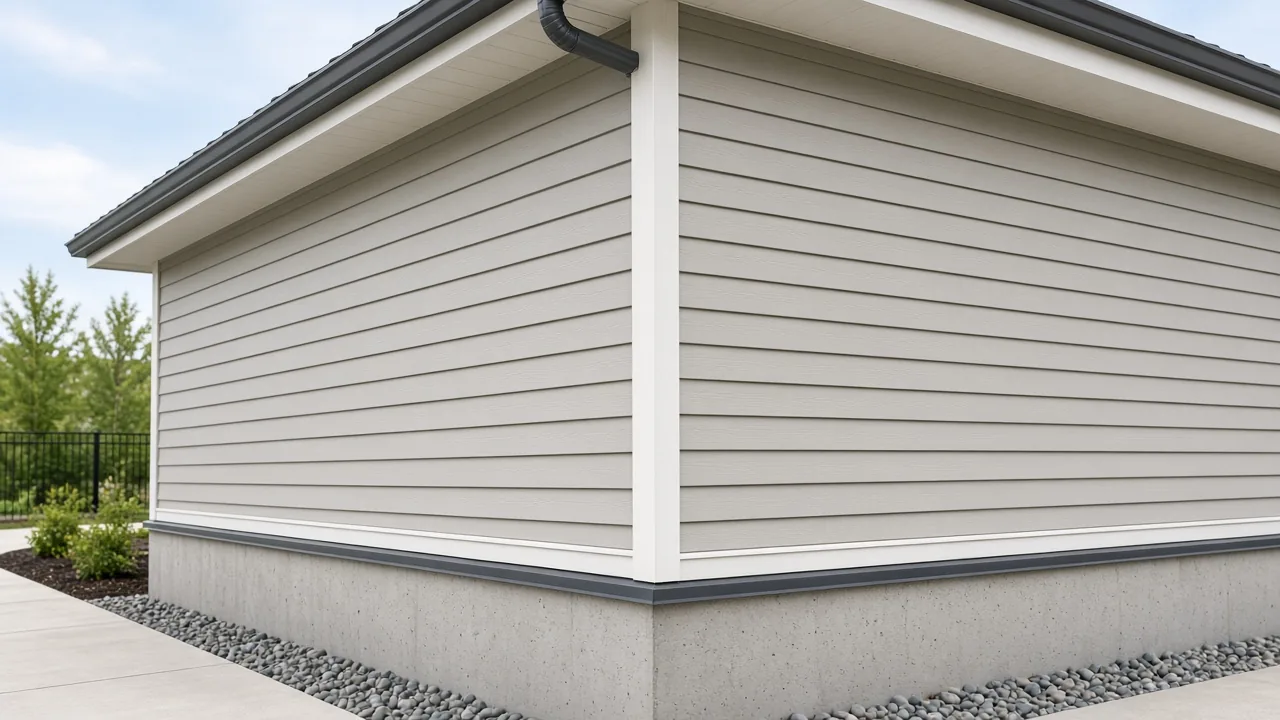
- Outside: siding or masonry, roof edges you can see, eavestroughs, grade, walks, and the driveway. Note damage and incomplete work.
- The lot: fences, decks, and landscaping only if the contract includes them. A missing item that was never in the agreement is not a deficiency. A missing item that was included is.
- Manuals and the warranty certificate: ask for them on this visit, and keep copies.
You are not expected to diagnose a structural issue on a one-hour lap. You are expected to record what you can see and what does not work. If something needs a closer look, say so on the form and ask your lawyer how that condition sits against possession.
If you find a problem after you have the keys
Alberta’s warranty claims page says to check that you are still inside the coverage dates, then file a claim with your warranty provider. The provider assesses the claim and works with the builder on warrantable defects. Contacting the builder alone is not the same step as opening a claim.
The Construction Performance Guide gives a plain sequence after you discover a defect: limit further damage, read the policy for the commencement date so you know whether that coverage is still open, contact the warranty provider to start the claim, and follow the provider’s direction. The provider may have the builder call you. That call does not replace the notice you gave the provider.
Coverage lengths on the claims page match the overview: one year for labour and materials, two years for delivery and distribution systems, five years for the building envelope, and ten years for major structural components. The start is the earliest of occupancy, permission to occupy, or title transfer. A walk-through on Monday and a move-in on Friday are not automatically the same commencement date. Read the date on the policy.
The warranty page says a new home is not to be sold without the required coverage when the permit rules apply, and that common property on a condominium can start on a different clock than the unit. Confirm the registration in the public registry before you treat the conversation as enrolled.
Who should be in the room
The guide describes the walk-through as a visit by the builder and the homeowner. You can bring someone who is helping you read the spec sheet. That person does not replace you on the form, and does not replace your lawyer. If you cannot attend, ask your lawyer what the contract allows you to delegate. Do not assume a friend can sign the deficiency list for you.
Take photos of each item you write down, in the light you have that day. The form is still the record the warranty provider is described as relying on. Photos support the words. They do not replace a line the builder never initialled. If the builder disputes an item, you want both the signed line and a picture of the same spot.
Leave time. A rushed lap through the show-home route will miss closets, the mechanical room, and the outside grade. The guide says the whole interior and the whole exterior. Plan the visit so that sentence is possible.
How to keep the list useful
- Bring the spec sheet and a copy of the contract pages that list included items.
- Write each item in plain language: what is wrong, where it is, and whether it is damaged, missing, or not working.
- Do not leave with a blank form because the builder said the crew will “catch it.”
- Ask for a copy of the signed form the same day.
- Send that copy to your lawyer if possession is still conditional, or if the list is long enough to affect closing.
- If a defect shows up later, tell the warranty provider as well as the builder, and keep photos and dates.
ARK represents buyers, not the builder. If you want a second set of eyes on the form before possession, call 587-800-1605 and we will go through the list against the spec sheet. We do not replace your lawyer, and we do not replace the warranty provider.
Is the walk-through the warranty claim?
No. The performance guide says repairs from the walk-through are a contract matter and may be outside warranty. A later defect is reported to the warranty provider under the policy.
What if the builder uses a different form name?
The guide lists pre-delivery inspection, completion certificate, and certificate of possession as names for the same kind of record. Use whatever form they bring, and make sure every item is on it.
Should I refuse the keys over a small deficiency?
That is a contract and lawyer question, not a slogan. Record the item, ask whether possession still happens, and let your lawyer tell you what the agreement allows. Do not trade an unwritten promise for a blank line on the form.
Does a missing item in the performance guide mean it is not covered?
No. Alberta says leaving an issue out of the guide does not mean it is not a defect, and does not by itself remove a provider’s responsibility for a proper claim.
Go through the list before possession
ARK can compare the deficiency form with the spec sheet. Call 587-800-1605. Your lawyer and your warranty provider still handle their own parts.
Start a conversation Call 587-800-1605
See the new home purchase process and show home tips.